
Nobody Thinks About Their Water Heater… Until It Ruins Their Morning
Most homeowners don’t think about their water heater at all. It sits quietly in a garage, basement, or closet, doing its job day after day. No complaints. No drama.
Until one morning, the shower turns ice cold halfway through.
At Valley Home Services, we see this exact scenario all the time. And more often than not, the problem isn’t that the water heater is “old” or “junk”—it’s that it’s never been maintained. Regular water heater flushing and basic maintenance can prevent most breakdowns, improve efficiency, and help your system last years longer.
Let’s talk about why this simple service actually matters.
What Is Water Heater Flushing (In Plain English)?
Over time, minerals from your water settle at the bottom of the tank. This is especially common in areas with hard water. That gritty layer you can’t see? That’s sediment.
When sediment builds up:
- The heater has to work harder to heat water
- You lose efficiency
- The tank overheats and wears out faster
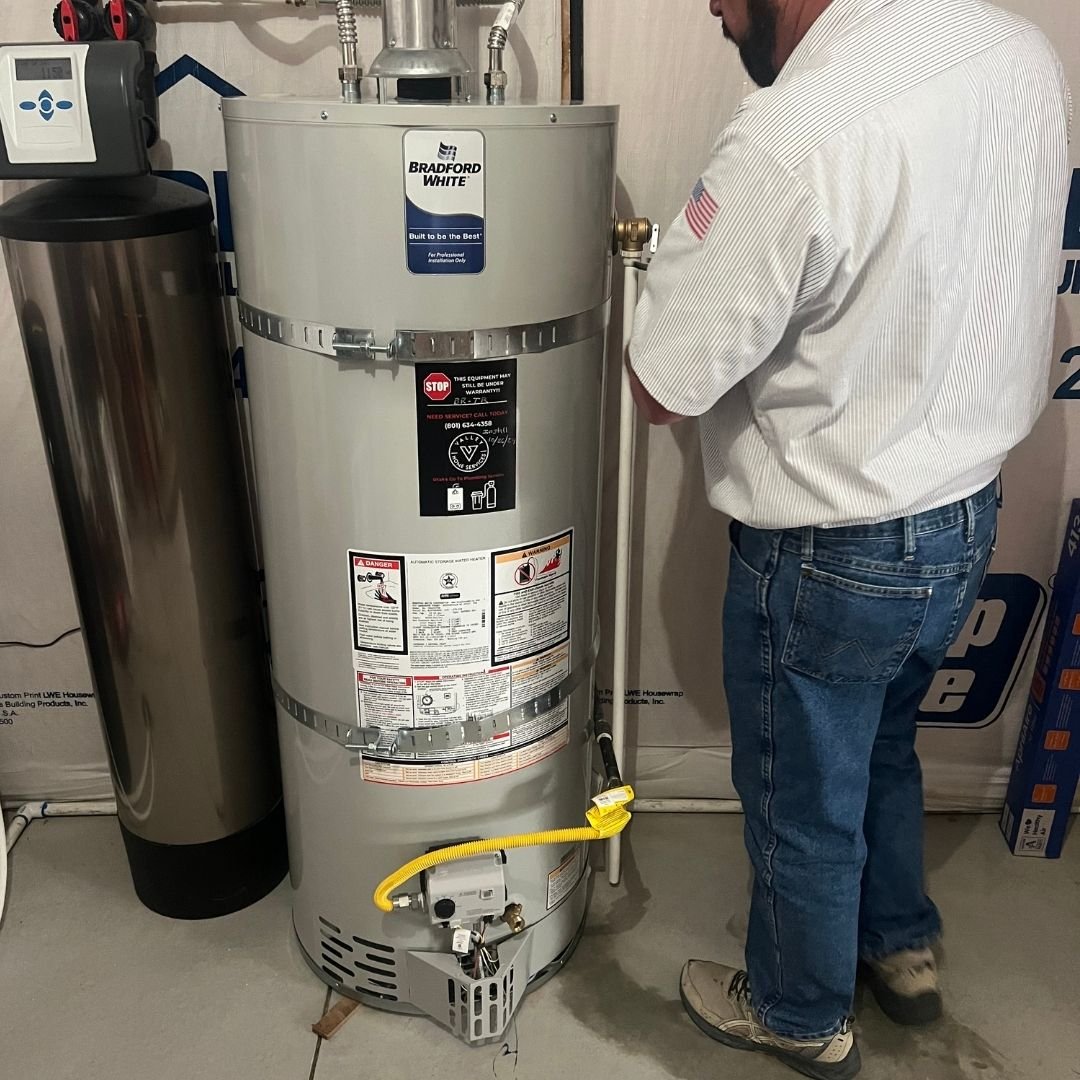
Flushing the water heater simply means draining that junk out so the system can do its job the way it was designed to.
Why Regular Water Heater Maintenance Is a Big Deal
It Helps Your Water Heater Last Longer
Most tank water heaters are built to last around 8–12 years. But we regularly see units fail much earlier because sediment has been cooking at the bottom of the tank for years.
When we flush a water heater annually, we’re taking stress off the system. Less stress = fewer breakdowns = longer lifespan. Simple math.
It Saves You Money on Energy Bills
Sediment acts like a blanket between the heating element and the water. That means your heater runs longer, uses more energy, and costs more to operate.
Homeowners are often surprised how much better their system performs after a flush. Same heater—just not fighting a pile of minerals anymore.
It Prevents “Out of Nowhere” Failures
We hear this all the time:
“It was working fine yesterday.”
Sediment buildup can cause overheating, pressure issues, and internal damage that finally gives way without much warning. Regular maintenance lets us spot small issues early—before they turn into leaks, water damage, or emergency replacements.
It Can Improve Water Quality
If your hot water looks cloudy, smells metallic, or leaves residue, sediment could be part of the problem. Flushing helps clear that out and keeps your water cleaner throughout the home.
How Often Should You Flush Your Water Heater?
For most homes, once a year is ideal.
You may want more frequent maintenance if:
- You have hard water
- Your water heater is older
- You use a lot of hot water
- You hear popping or rumbling noises
At Valley Home Services, we don’t guess—we look at your system and recommend what actually makes sense for your home.
Tank vs. Tankless Water Heater Maintenance
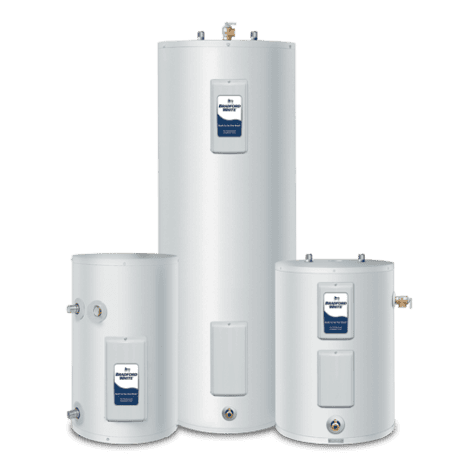
Traditional Tank Water Heaters
- Annual flushing
- Safety valve checks
- Anode rod inspection
Tankless Water Heaters
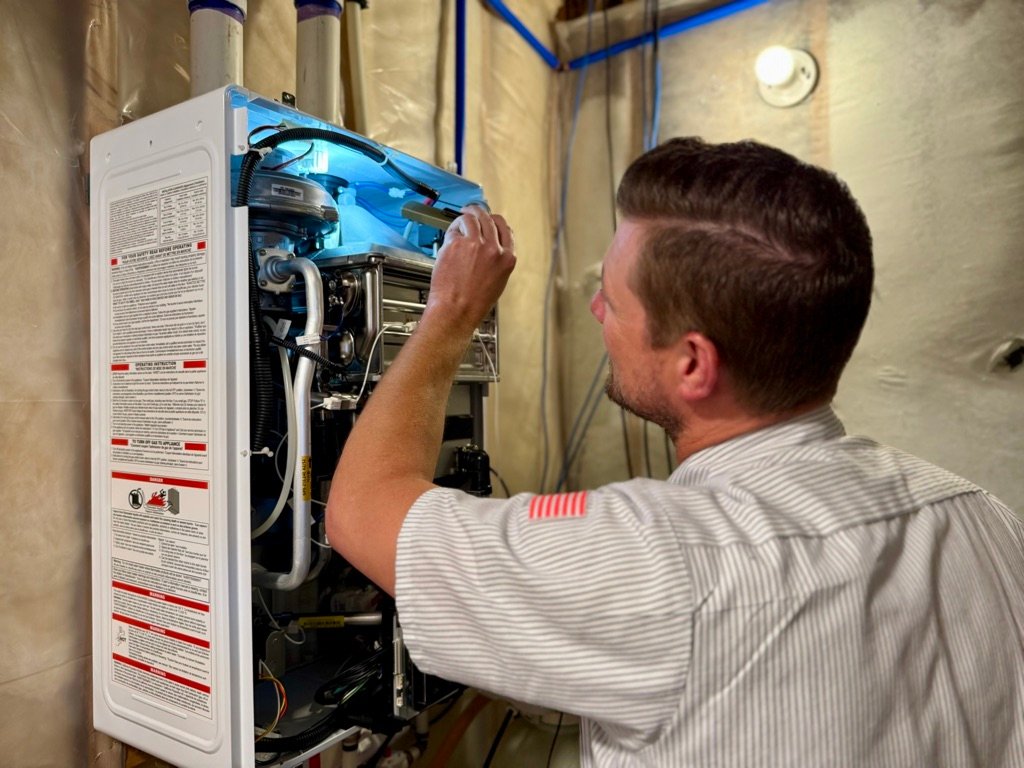
Tankless systems don’t store water, but they do collect mineral buildup inside the heat exchanger. These systems need annual descaling to stay efficient and to avoid costly repairs.
Skipping maintenance on a tankless unit is one of the fastest ways to shorten its lifespan.
Can You Flush a Water Heater Yourself?
Technically? Sometimes.
Should you? Depends.
We’ve seen DIY flushes:
- Leave sediment behind
- Damage valves
- Miss early warning signs like corrosion or leaks
When we flush a water heater, we’re not just draining water—we’re checking the system’s overall health. That’s where professional maintenance really pays off.
Signs Your Water Heater Needs Attention
Don’t wait until there’s no hot water. Call for service if you notice:
- Inconsistent water temperature
- Strange popping or banging noises
- Discolored hot water
- Rising utility bills
- Hot water running out faster than it used to
These are your water heater asking for help—politely, for now.
Why Homeowners Choose Valley Home Services
We treat water heater maintenance the way it should be treated—as preventative care, not a sales pitch.
Our maintenance service includes:
- Thorough flushing or descaling
- System and safety checks
- Honest recommendations based on what we see
If your system is in good shape, we’ll tell you. If it’s nearing the end, we’ll help you plan ahead instead of surprising you with an emergency.
Water heater maintenance isn’t exciting—but neither is waking up to cold water or replacing a system years earlier than necessary.
A little maintenance now saves a lot of hassle later. And your future showers will thank you.